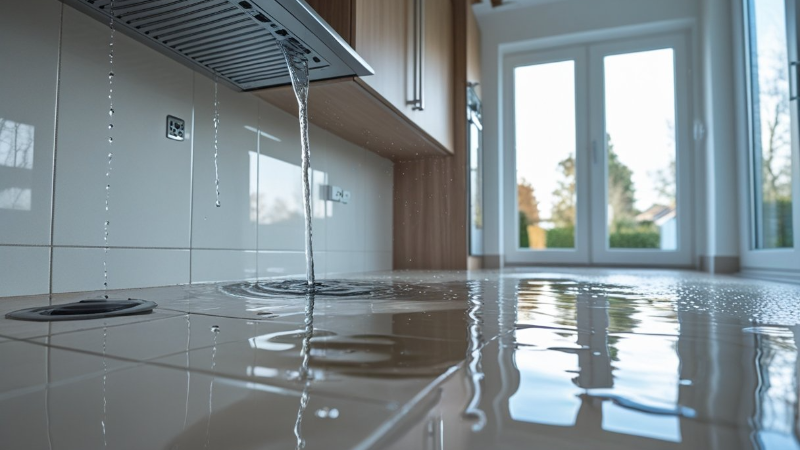
Water leaks are some of the most common plumbing issues in homes, but many people don’t realise them until they have done damage. In contrast to a burst pipe or a sink overflowing, hidden leaks tend to occur quietly behind walls, beneath floors, or inside ceilings. These small leaks can drive up water bills, damage building materials, grow mould, and eventually require costly repairs.
By knowing where hidden leaks often occur, and by recognising the undertones of an eventual catastrophe before it develops into a full-blown disaster, homeowners can preemptively protect their homes from becoming overrun by small problems.
Behind Walls And Inside Ceilings
Many water supply pipes are routed through walls and ceilings and, therefore, are hard to inspect. One might miss a small leak down in a pipe or a weak fitting for weeks, even months.
Peeling paint, bubbling wallpaper, wet spots and/or musty smells, as well as colour changing on the walls or ceiling, are common early signs. These signs must never be ignored because the standing water will deteriorate the wood framing and insulation while also creating an ideal environment for mould growth.
Under Kitchen And Bathroom Cabinets
This makes plumbing under the sinks one of the most common places for unnoticed leaks, and since you use it every day, more often than not, a mere trickle from drain connections, supply hoses or shut off valves is hidden under cleaning supplies and other household paraphernalia kept close by.
Scanning beneath the sinks every couple of weeks — for wetness, water stains, buckled cabinets or mould before it gets dangerous. Change worn seals and tighten up loose fittings when you first notice the warning signals, and this will save you from covering higher-level fixes later on.
Around Toilets
Fortunately, toilet leaks can sometimes be easy to identify. One of the most significant causes of toilet leaks occurs within the tank, causing water to flow continuously into the bowl with little or no noise. Others occur across the base, creating puddles.
Your toilet constantly running can waste lots of water and slowly but surely make your energy bills rise on a daily basis. You should put some food colour in the tank. Next, please flush the bowl to find out if the colour comes out. This is a good way to check the valves for any seepage.
Water Heater Connections
While there are many plumbing connections inside a water heater that loosen over time and with use. Micro leaks for the particular case: small gaps on pipes that let air in, pipes on which air is expelled, and pressure or drain valves can start concealed (they dry out fast or remain behind the gadget).
Inspecting the space around the water heater for leaks, rust, or corrosion can help you identify issues before they become so serious that flood damage and broken equipment result.
Outdoor Plumbing Systems
Many people concern themselves with the plumbing inside their homes and forget about the outside fixtures. If you are asked to visit the subsequent power plants, vomited over time leading to slow leaks of garden taps, irrigation systems and underground water pipes, open-pit pipe.
Unexplained pools of extremely lush grass, saturated ground and dips in water pressure all indicate the presence of possible leaks underground. You should ensure your home is regularly checked after bad weather or landscaping work, which may have disturbed underground pipes.
Appliance Water Supply Lines
Modern conveniences such as washing machines, dishwashers, freezers and water filtration systems that are physically connected to the plumbing system of a home. Due to the years of use, flexible supply lines can eventually start to deteriorate and develop cracks or loosen connections.
These machines are also very close to walls, so the linoleum wears out, and even leaks go unfound until the floor starts getting damaged. Moving appliances slightly forward every now and then to quickly check them can help prevent water damage from occurring unexpectedly.
Monitor Your Water Bill
Tracking your monthly water usage is a useful way of spotting leaks you may not have noticed. Tracking how much water you use each month is a simple way to spot leaks that are hidden from your view. A rapid increase in water usage not associated with a change in home use is usually indicative of a problem.
Similarly, if your water metre continues moving even when all of your taps and appliances are turned off, there could already be a leak somewhere in your plumbing system.
Schedule Routine Professional Inspections
On the other hand, owners who are very meticulous cannot see every part of their water systems. Licensed plumbing professionals in Pymble have access to different tools that can easily detect hidden leaks when they’re conducting an inspection, allowing them to address the problem before it leads to significant damage. Locating leaks in a timely fashion preserves the safety of the house and gives the longevity to pipes, fixtures, and appliances.
Conclusion
Water leaks are quick to overlook, but preventable if left unrepaired, they can inflict significant damage on your property, promote mould growth and waste plenty of water. Utilising regular visual inspection, monitoring water bills, examining appliances and responding early to warning indicators are all key strategies to steer clear of pricey fixes. Besides getting a licensed plumber to check your plumbing systems regularly, these simple habits can help homeowners maintain their plumbing systems reliable, efficient and free of surprises.
About the Author