“We’ve got a jam on Conveyor 9. Anyone?”
Silence.
Then a message in the group chat… 7 minutes later.
Welcome to the not-so-glamorous reality of high-tech logistics. The robots might be fast—but if your humans can’t talk to each other instantly, your whole operation lags behind.
Enter the unsung hero: the two-way radios.
Sure, your warehouse has automation software, real-time dashboards, AI picking algorithms. Great. But when something breaks, moves, or needs a human to act fast—radios still get the job done. Faster than an app. Louder than a text. And far less polite than a phone call.
Let’s break it down.
Automation Runs the Machines—Radios Run the People
Yes, automation is impressive. Robotic arms move boxes like ballet dancers. Conveyor belts buzz with precision.
But real-life logistics? Still needs humans. Humans who:
- Fix sensors when they glitch
- Reroute pallets when things pile up
- Make judgment calls when a delivery window changes mid-shift
And those humans? They need to talk to each other. Now, not after checking their inbox.
Two-way radios cut through the noise (literally). Push a button. Say the thing. Move on.
Big Floors, Bigger Coordination Needs
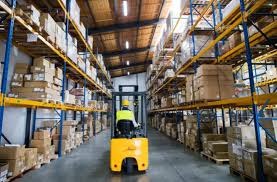
Ever walked a distribution center? It’s like an airport without the boarding gates. Miles of aisles. Forklifts darting through intersections. Pallets stacked higher than your confidence on Monday mornings.
Here’s where radios shine:
- Supervisors direct crews across football-field-sized zones
- Forklift drivers get real-time docking instructions
- Dock assignments change without a sprint to the breakroom
No paging. No searching. No walking in circles asking, “Have you seen Mike?”
Real-Time Is the Only Time That Matters
Logistics moves in seconds, not schedules. Your planning system says Load 243 docks at Bay 6—but then Load 244 shows up early. Surprise.
You can’t email that. Or ping someone and wait for a reply.
With two-way radios:
- Dispatch reassigns bays in real time
- Loaders adjust on the fly
- No confusion, no delay, no duplicated effort
It’s the difference between “We handled it” and “We missed the window—again.”
Maintenance Calls Without the Wild Goose Chase
That moment when a roller stops turning and someone says, “Who’s on maintenance today?” Yeah, no one’s got time for that.
Radios solve it in three seconds:
“Maintenance to Lane 7. Conveyor down.”
No searching. No walking the floor. No wondering if anyone saw the group chat.
Plus, in facilities with automated gear—conveyor logic, robotic arms, AI cameras—the faster you resolve mechanical issues, the fewer backups you create.
Safety First, But Only If You Hear About It
Slips, trips, forklift near-misses, unexpected visitors on the floor—safety incidents don’t wait for the Wi-Fi to kick in.
Radios provide:
- Emergency call features
- Dedicated channels for fast broadcast
- One-to-many alerts when something goes sideways
In a space where seconds matter, radios don’t just help you respond—they help you prevent problems from spreading.
Shift Changes Don’t Have to Be a Game of Telephone
The 3 p.m. shift walks in. The 7 a.m. crew is halfway out the door. And somewhere in the mix, vital info disappears.
Unless… radios.
Team leads can:
- Broadcast shift briefings across teams
- Update task statuses on the fly
- Ask, answer, and adapt—all before the first coffee sip
That’s how you maintain momentum. That’s how you build a shift that doesn’t waste the first hour “getting up to speed.”
Wait—Aren’t Radios Kinda… Old-School?
Sure. They’ve been around. But they’ve also grown up.
Today’s two-way radios:
- Work over nationwide LTE or Wi-Fi
- Offer GPS tracking for your mobile crew or drivers
- Integrate with logistics software and dispatch systems
- Provide crystal-clear digital audio—even in noisy warehouses
They’re not just handsets. They’re handheld operations tools. Still simple. Still fast. Still the best tool when people need to actually talk.
Final Word: Don’t Let Comms Be the Bottleneck
The robots won’t wait. The deliveries won’t wait. And your customers definitely won’t wait.
So why should your communication?
Two-way radios aren’t a backup. They’re the backbone. They’re the system under the system, keeping your human layer in lockstep with your automation.
About the Author