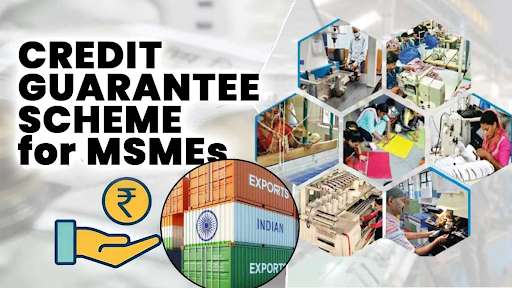
For millions of Indian startups and MSMEs eyeing global markets, the dream of landing international clients often collides with a frustrating reality: the tools designed to help you find and manage those clients are priced for Silicon Valley budgets, not Surat or Coimbatore ones. Monthly CRM subscriptions, contact database fees, and outbound sales platforms can quickly add up to lakhs of rupees annually – money that most early-stage exporters simply cannot afford to burn.
The good news is that the game has changed. A growing number of Indian founders, export managers, and business development teams are quietly building robust international client pipelines without ever signing up for an enterprise CRM. Here’s how they’re doing it – and how you can too.
Why Traditional CRM Approaches Fail Small Exporters
Large CRM platforms were built with the assumption that you already have a sales team, a steady pipeline, and the operational bandwidth to maintain detailed records across hundreds of touchpoints. For an MSME just entering the export market, this is like buying a truck when you need a bicycle. The cost isn’t just financial – it’s the hidden tax of complexity, onboarding time, and features that go unused for months.
Instead of locking into expensive subscriptions, smart exporters are focusing on one thing first: building a quality list of verified international contacts before they worry about how to manage them. The logic is simple. A targeted list of 500 verified buyers in Germany, the UAE, or the United States is worth far more than a beautifully organised CRM with zero contacts inside it.
Starting With the Right Data Sources
The first step is identifying where your potential export clients actually live online. For B2B exporters – whether you’re in textiles, pharmaceuticals, industrial components, software services, or agri-commodities – LinkedIn remains the most reliable free starting point. But LinkedIn’s own export and outreach features are throttled heavily unless you pay for Sales Navigator.
This is where third-party data tools have become essential for budget-conscious exporters. Platforms like Apollo.io aggregate millions of verified business contacts globally, but their own subscription tiers are priced in dollars and can be prohibitive. The workaround many Indian sales teams now use is a tool that lets you pull Apollo contact data affordably – an Apollo contact data extractor that costs a fraction of a cent per record, allowing teams to export thousands of verified emails, phone numbers, and company profiles from targeted Apollo searches without committing to a full platform subscription. For an MSME that needs 1,000 contacts in a specific niche, this approach can cost under ₹500 instead of thousands per month.
Building a List That Actually Converts
Raw contact data is only the beginning. The exporters seeing real traction are those who layer intelligence on top of their lists before reaching out. This means filtering not just by industry and geography, but by company size, recent funding activity, hiring signals, and technology stack – all indicators of whether a foreign buyer is likely to be actively sourcing new vendors.
A practical framework for Indian exporters building their first international client list:
- Define your ideal buyer profile: Which country, which industry segment, which company size? Be specific. A manufacturer of industrial valves should not be targeting the same contacts as a garment exporter.
- Use Apollo or LinkedIn filters to narrow your search: Job titles like Procurement Manager, Head of Supply Chain, or Director of Sourcing are your primary targets in most B2B export categories.
- Verify before you send: Even data pulled from reliable platforms should be run through a quick email verification step to reduce bounce rates, which can damage your sender reputation.
- Segment by geography and buying intent: A cold email to a buyer in the UK requires a different tone, compliance awareness, and value proposition than one going to a distributor in Southeast Asia.
Managing Contacts Without an Expensive CRM
Once you have your list, you don’t need Salesforce to manage it. A well-structured Google Sheet with clear columns for contact details, outreach status, response history, and follow-up dates can handle the first 500 to 1,000 contacts effectively. Many successful Indian exporters have landed their first five international clients entirely from a spreadsheet and a Gmail account.
As your list and outreach volume grow, you can graduate to lightweight tools. Zoho CRM’s free tier supports up to three users and is built with Indian businesses in mind. Freshsales also offers a no-cost entry point. The key is not to over-engineer the system before you have revenue to justify it.
The Email Strategy That Opens Doors
Building the list is half the battle. The other half is knowing how to write outbound emails that actually get responses from international buyers who have never heard of your company. Cold outreach to export clients requires understanding the psychology of busy procurement professionals, the technical aspects of email deliverability, and the art of a follow-up that feels human rather than automated.
For exporters looking to sharpen this side of their strategy, resources that cover list building and email outreach techniques can be genuinely valuable, particularly guidance around segmentation, automation sequences, and how to optimise for replies rather than just opens. The difference between a 2% reply rate and an 8% reply rate on a 1,000-contact campaign is often entirely in the structure and timing of the message sequence.
The Bigger Picture for Indian Export Growth
India’s MSME sector has long been described as the backbone of the economy, yet its share of global export markets remains disproportionately small relative to its manufacturing capacity. Part of this gap is infrastructure and policy – but a significant part is simply that small businesses lack the tools and frameworks to find and approach international buyers at scale.
The democratisation of B2B data and outreach tools changes this equation. When an exporter in Rajkot or Tirupur can build a list of 500 verified global buyers for under ₹1,000 and begin outreach with a structured email campaign the same week, the barrier to entry for export growth drops dramatically.
The Indian startups and MSMEs that will win in global markets over the next decade are not necessarily the ones with the biggest CRM budgets. They are the ones that move fast, test early, and learn directly from the market – one verified contact at a time.
About the Author