Buying your first gear cycle or upgrading to a better model can feel overwhelming with so many options available in the Indian market. Whether you’re commuting through city traffic, exploring mountain trails, or simply looking for weekend fitness rides, understanding what makes a good gear cycle is essential. This comprehensive guide will walk you through everything you need to know before making your purchase.
Understanding Gear Cycles
A gear cycle differs from a regular single-speed bicycle in one fundamental way: it allows you to adjust resistance levels while riding. This feature becomes incredibly useful when tackling different terrains. Imagine climbing a steep hill without having to put in extra effort or speeding through a flat road without your legs spinning too fast. That’s exactly what gears help you achieve.
Most gear cycles available in India come with gear systems ranging from 18-speed to 27-speed configurations. The number indicates how many different gear combinations you can choose from. For instance, a 21-speed gear cycle has three chainrings at the front and seven cogs at the rear, giving you 21 different gear ratios to work with.
Types of Gear Cycles
Before you start browsing through options, it’s important to identify which type suits your riding style. Mountain bikes are built for rough terrains with features like wider tyres, suspension systems, and durable frames. They excel on trails, rocky paths, and uneven surfaces. If you’re someone who loves adventure and off-road cycling, this category deserves your attention.
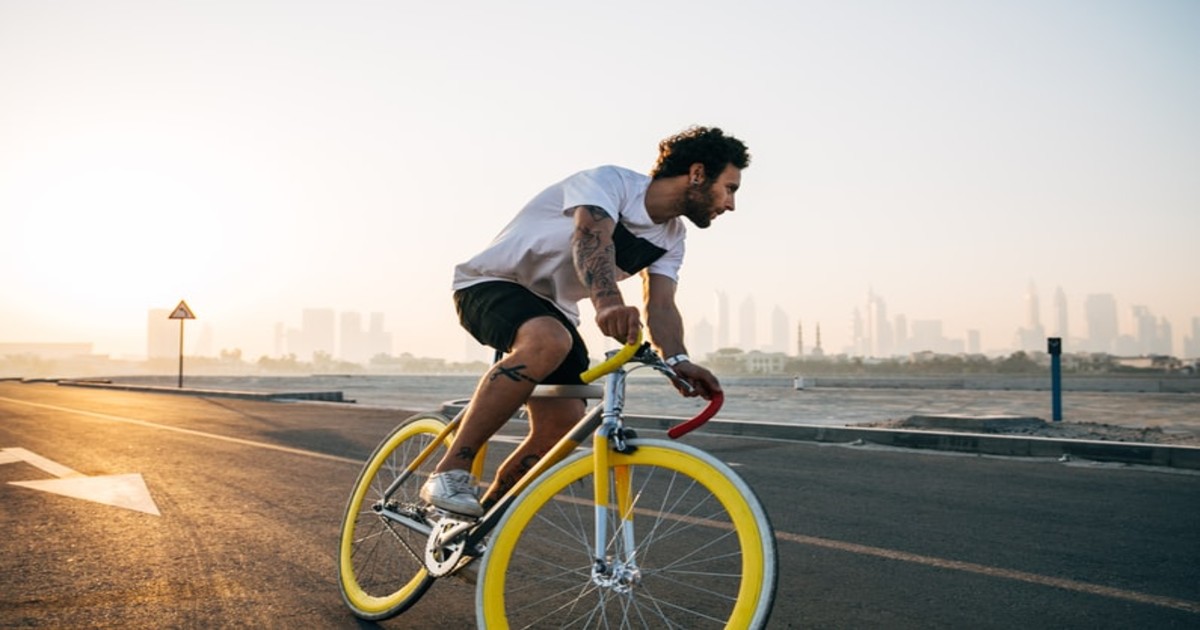
Road bikes, on the other hand, prioritize speed and efficiency on paved surfaces. They feature lightweight frames, narrow tyres, and drop handlebars that allow an aerodynamic riding position. These bikes are perfect for long-distance rides, fitness cycling, and daily ,commuting on smooth roads.
Hybrid cycles combine elements from both mountain and road bikes, offering versatility for riders who encounter mixed terrains. With comfortable upright seating, medium-width tyres, and reliable gearing systems, hybrid bikes work well for casual riders and urban commuters who need adaptability.
Frame Material Matters
The frame forms the backbone of your cycle, and its material significantly impacts performance, weight, and durability. Steel frames are known for their strength and shock absorption capabilities. They’re heavier than other materials but offer excellent longevity and can handle rough use. These frames suit riders who prioritize durability over lightweight performance.
Aluminium frames have become increasingly popular due to their lightweight nature and resistance to rust. They provide a good balance between weight, strength, and affordability. Most cycle for men in the mid-range segment use aluminium frames.
Gear System Components
Understanding the basic components of a gear system helps you make informed decisions. The derailleur is the mechanism that moves the chain between different gears. Front derailleurs shift the chain across the chainrings near the pedals, while rear derailleurs handle shifts across the cassette at the back wheel.
Shifters are the controls mounted on your handlebars that let you change gears. Modern gear cycle models typically use trigger shifters or grip shifters. Trigger shifters offer precise control with separate levers for upshifting and downshifting. Grip shifters work by twisting the handlebar grip, which some riders find more intuitive.
The cassette is the cluster of cogs on your rear wheel, while chainrings are the gears attached to your pedals. The combination of these components determines your gear range and how smoothly you can transition between different resistance levels.
Brake Systems
Safety should never be compromised, making the brake system a crucial consideration. Rim brakes work by applying pressure to the wheel’s rim. They’re lightweight, easy to maintain, and cost-effective. However, their performance can decrease in wet conditions or with worn rims.
Disc brakes have gained popularity for their superior stopping power and consistent performance in all weather conditions. Mechanical disc brakes use cables, while hydraulic disc brakes use fluid for more responsive braking. Though disc brakes cost more and require specialized maintenance, they offer better control, especially for mountain biking or riding in hilly areas.
Wheel Size and Tyres
Wheel size affects how your cycle handles different terrains and obstacles. The 26-inch wheels were once the standard for mountain bikes. They’re nimble and accelerate quickly, making them suitable for technical trails and riders of shorter stature.
The 27.5-inch wheels offer a middle ground between 26-inch and 29-inch options. They provide better rollover capability than 26-inch wheels while maintaining good manoeuvrability. The 29-inch wheels roll over obstacles more easily and maintain momentum better on rough terrain. They’re ideal for taller riders and those prioritizing speed on trails.
Tyre width and tread pattern also matter. Wider tyres with aggressive tread patterns provide better grip on loose or muddy surfaces but create more rolling resistance. Narrower tyres with minimal tread roll faster on paved roads but offer less traction off-road.
Suspension Systems
Suspension absorbs shocks from uneven terrain, improving comfort and control. Hardtail cycles have suspension only in the front fork. They’re lighter, more efficient for pedalling, and require less maintenance. Hardtails work well for cross-country riding and general-purpose use.
Full-suspension cycles have shock absorbers at both front and rear. They provide maximum comfort and control on technical trails but add weight and cost. Full-suspension is worth considering if you frequently ride on very rough terrain or prioritize comfort over efficiency.
Setting Your Budget
Gear cycles in India are available across various price ranges. Entry-level models starting from around eight thousand rupees offer basic gear systems suitable for occasional riders and beginners. These cycles typically feature steel frames, mechanical disc brakes or rim brakes, and 18 to 21-speed gear systems.
Mid-range options between fifteen to thirty thousand rupees step up in quality with aluminium frames, better gear components, and more reliable braking systems. These cycles suit regular riders and fitness enthusiasts. Premium models above thirty thousand rupees feature advanced materials, superior components, hydraulic disc brakes, and sophisticated suspension systems designed for serious cyclists and demanding terrain.
Size and Fit
Riding a cycle that doesn’t fit properly leads to discomfort and potential injuries. Frame size should match your height and inseam length. Most manufacturers provide size charts, but test riding remains the best way to ensure proper fit. When seated, you should be able to touch the ground with your toes while maintaining a slight bend in your knee at the bottom of the pedal stroke.
Handlebar height and reach also affect comfort. Upright positions suit casual riding and offer better visibility in traffic. More aggressive, forward-leaning positions improve aerodynamics for performance-oriented riding.
Additional Features to Consider
Look for quality pedals that provide good grip and power transfer. Seats should offer adequate cushioning without being too soft. Adjustable seat posts allow you to find the perfect riding position. Check if the cycle comes with mounting points for accessories like bottle cages, fenders, and racks. These additions enhance practicality, especially for commuting or touring.
Making the Final Decision
Start by identifying your primary use case. Are you commuting daily, riding for fitness, or seeking adventure on trails? Your answer guides you toward the appropriate cycle type. Consider the terrain you’ll encounter most frequently. Hilly areas benefit from gear cycles with wider gear ranges. Flat urban environments work fine with fewer gears.
Research brands known for reliability and after-sales service. Read reviews from actual users to understand real-world performance. Don’t rush your purchase. Visit multiple stores, test ride different models, and compare specifications. The right gear cycle represents an investment in your health, transportation, and enjoyment. Taking time to choose wisely ensures years of satisfying rides ahead.
Remember that buying a gear cycle is just the beginning. Regular maintenance keeps your investment performing optimally. Learn basic upkeep tasks like cleaning and lubricating the chain, checking brake pads, and maintaining proper tyre pressure. With proper care and the right choice, your gear cycle will serve you well for many kilometres of adventure, fitness, and daily transportation.
About the Author