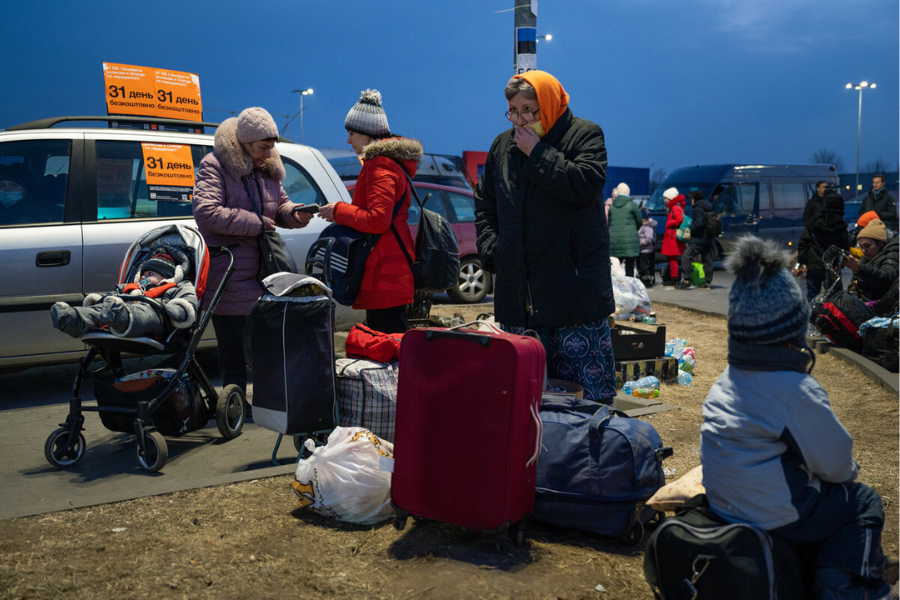
5 Global Conflicts Everyone Should Be Paying Attention To
In 2025, the world remains a complex landscape of geopolitical tensions and conflicts that shape international relations, economies, and the everyday lives of millions. While some of these conflicts receive constant media attention, others quietly simmer with the potential to escalate.
Understanding these global conflicts is crucial—not only for policymakers and investors but for ordinary citizens who are increasingly affected by ripple effects across borders. Here are five major conflicts you need to watch right now.
1. Russia-Ukraine War: The Ongoing Struggle
The war between Russia and Ukraine, which began in 2022, continues to dominate headlines and global politics. Despite ceasefire talks and peace efforts, fighting persists, especially in contested eastern regions.
This conflict has reshaped global alliances, disrupted energy supplies, and driven inflation worldwide due to sanctions and trade restrictions. Beyond the battlefield, millions of refugees face displacement and humanitarian crises.
The war underscores the fragile balance of power in Europe and serves as a cautionary tale about territorial sovereignty and international law.
2. South China Sea Dispute: Strategic Tensions in Asia
The South China Sea remains one of the most volatile flashpoints in Asia. Multiple countries—China, the Philippines, Vietnam, Malaysia, and Taiwan—claim overlapping territories rich in natural resources and crucial shipping lanes.
China’s aggressive island-building and military presence have alarmed neighboring states and global powers like the U.S., which conducts freedom-of-navigation operations to challenge China’s claims.
The risk here lies in miscalculation, with potential to escalate into a broader conflict that would impact global trade routes and regional security.
3. Yemen Civil War: Humanitarian Crisis in the Middle East
Yemen’s civil war has been ongoing for nearly a decade, involving complex alliances between the government, Houthi rebels, and foreign actors like Saudi Arabia and Iran.
This conflict has resulted in one of the world’s worst humanitarian disasters, with millions facing famine, disease, and displacement. While large-scale combat has decreased recently, peace remains fragile.
Global attention to Yemen is critical not just for humanitarian reasons but because instability in the region affects oil markets and counterterrorism efforts.
4. Ethiopia’s Tigray Conflict: Fragile Peace Under Threat
Ethiopia’s conflict in the Tigray region has drawn international concern due to its ethnic dimensions and humanitarian consequences.
Though a peace agreement was signed in late 2023, sporadic violence and political tensions persist. The conflict has displaced hundreds of thousands and threatens Ethiopia’s role as a key African economic player.
International mediators continue to push for lasting reconciliation, but unresolved grievances and competing interests pose ongoing risks.
5. Taiwan Strait Tensions: A Cross-Strait Flashpoint
The Taiwan Strait remains a focal point of tension between China and Taiwan, with implications for global security. China views Taiwan as a breakaway province and has increased military drills and air incursions near the island.
Meanwhile, Taiwan, backed unofficially by countries like the United States, asserts its democratic autonomy. Any military escalation here could draw in global powers and disrupt technology supply chains, as Taiwan is a critical semiconductor producer.
This standoff is a test of international diplomacy and the rules-based order in the Indo-Pacific.
Why These Conflicts Matter to You
- Economic Impact: Wars and disputes disrupt global supply chains, affect fuel and commodity prices, and increase market volatility.
- Security Concerns: Conflicts can spill over, create refugee flows, and prompt military alliances and arms races.
- Humanitarian Issues: Millions face displacement, food insecurity, and health crises.
- Technological and Trade Disruptions: Especially in cases like Taiwan and South China Sea, conflicts threaten critical trade and technology networks.
- Global Diplomacy: The handling of these conflicts shapes international cooperation, treaties, and peace efforts.
Final Thoughts
In a globally connected world, no conflict exists in isolation. The reverberations of political tensions, wars, and diplomatic standoffs affect everyone—even if indirectly.
Staying informed about these five key conflicts helps individuals, businesses, and governments prepare for uncertainties and advocate for peaceful solutions.
At Economic Weekly News, we remain committed to delivering clear, insightful analysis on these global issues so you understand what’s happening beyond your borders and why it matters.
About the Author