Dubai is globally recognized as a city of immense wealth, luxury, and high-end living. From the marble floors of the Dubai Mall to the exclusive private member clubs in the DIFC, the entire city is designed to feel premium. When businesses operating in the luxury real estate, high-end hospitality, or premium financial sectors want to build their digital presence, they face a massive challenge. How do you take the physical feeling of walking into a five-star Dubai hotel and recreate it on a flat, glowing computer screen?
When business owners hire a website designer Dubai, the first conversation is almost always about color. Usually, the client will say, “I want it to look expensive, so let’s make the whole website black and gold.” While black and gold are indeed powerful colors, using them incorrectly is the fastest way to make your brand look cheap, tacky, and outdated.
Color is not just a visual choice; it is a deep psychological trigger. Human beings react to colors subconsciously before they even read a single word on your page. If you use prestige colors correctly, you instantly communicate authority, exclusivity, and generational wealth. If you use them poorly, you look like a discount store pretending to be a luxury brand. In this blog, we will break down the exact psychology of gold, black, and deep prestige colors, and how you must use them strategically to capture Dubai’s ultra-affluent market.
Color is Subconscious Communication
Before a user clicks a button or reads a headline, their brain processes the color palette of your website in milliseconds. This reaction is biological. For thousands of years, humans have associated specific colors with specific emotions. Dark colors feel heavy, grounded, and permanent. Bright colors feel fast, energetic, and temporary.
When a wealthy investor in Dubai opens your website, they are looking for permanence. They do not want to hand their money to a company that feels temporary or chaotic. They want to feel like they are doing business with an institution. If your luxury brand uses bright orange, neon pink, or basic primary blue, their brain immediately says, “This is a cheap, fast-moving consumer product, not a premium service.”
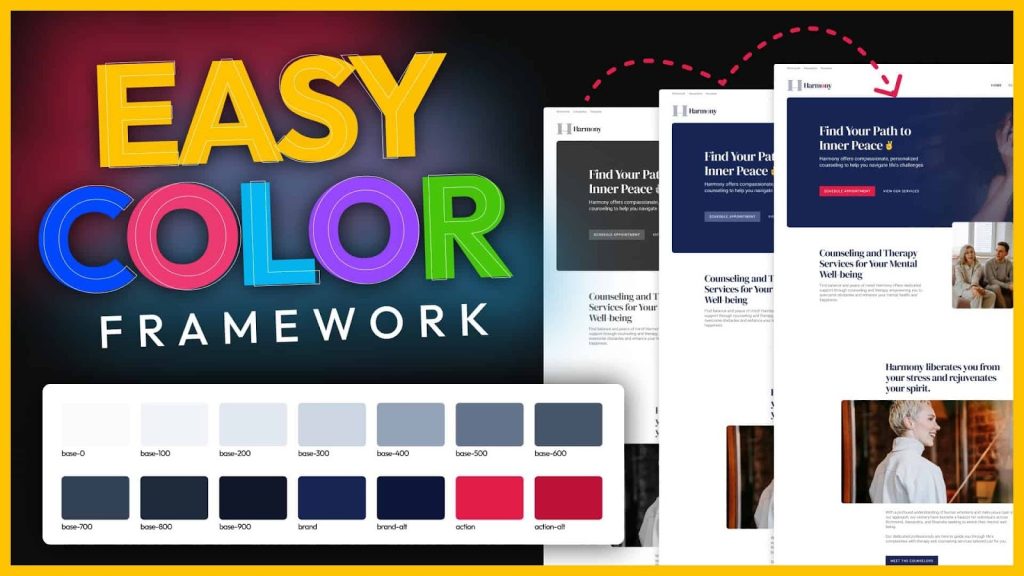
To capture the high-end market, you must master the psychology of the prestige palette.
1. The Power of Black: Authority and Exclusivity
In the psychology of color, black is the ultimate symbol of power, elegance, and absolute authority. Think of a black tuxedo, a black VIP credit card, or a black luxury sedan. It absorbs light, making everything around it look sharper and more focused. However, designing a black website is incredibly difficult, and most amateurs fail completely.
The Anchor of Premium Design: Black should be used as an anchor that holds the entire website together; by using a deep, rich black background, you force the user to focus entirely on the high-quality photography of your products, making diamonds, luxury cars, or real estate properties visually pop off the screen.
Creating High Contrast for Legibility: A common mistake designers make is putting dark grey text on a black background, which makes the website impossible to read; true luxury design uses stark, crisp white or soft cream text against the black canvas to create effortless reading for the user, proving that your brand values clarity.
The “Velvet Rope” Psychological Effect: In the physical world, exclusive VIP rooms are often dark and private, while cheap fast-food restaurants are bright and heavily lit; using black as your primary digital color creates this exact same “velvet rope” feeling online, making the user feel like they have stepped inside an exclusive, invite-only club.
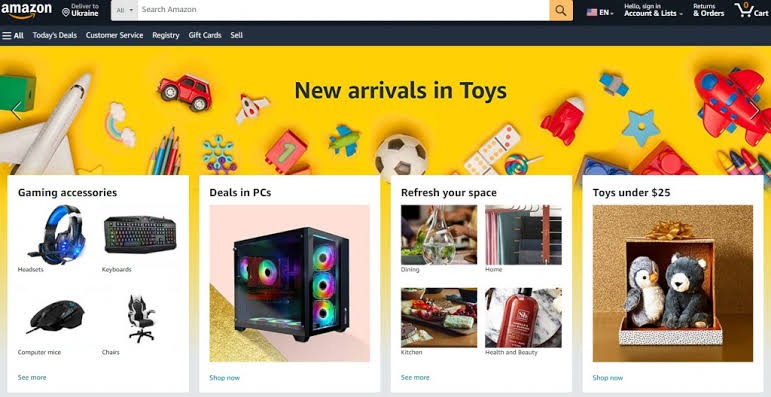
Avoiding the “Heavy” Mistake with Negative Space: If you use too much black without giving the page room to breathe, the website will feel depressing, heavy, and claustrophobic; you must balance the dark colors with massive amounts of empty space between the paragraphs and images to keep the design feeling elegant and open.
2. The Role of Gold: Wealth and Regional Heritage
No color is more associated with Dubai than gold. It is deeply tied to the history of the region, the traditional souks, and the concept of ultimate wealth. Because it is so popular, it is also the most abused color in UAE web design. When developers use flat, bright yellow and call it “gold,” the website instantly looks like a cheap imitation.
Using Gold as an Accent, Not a Background: Gold is a heavy, commanding color that exhausts the human eye very quickly, meaning you should never use it as a solid background or a massive block of color; instead, it must be used strictly as a delicate accent color for thin borders, specific buttons, or small, elegant icons.
The Difference Between Flat Yellow and Metallic Gradients: A computer screen cannot actually display real physical gold, so if a designer just picks a standard yellow color code, it looks terrible; to create true digital gold, your designer must use subtle, highly complex color gradients that mimic the way light reflects off real metal, giving the website a realistic shine.
Connecting Gold to Khaleeji Culture: For the local Emirati audience, gold is a symbol of hospitality, heritage, and generational success; when used correctly alongside traditional Arabic geometry or subtle cultural patterns on the website, it shows a deep respect for the roots of the UAE economy.
Pairing Gold with Deep Secondary Tones: Gold looks cheap when placed next to white or bright colors, but it looks incredibly expensive when paired directly with dark, moody tones like charcoal, midnight black, or deep chocolate brown, because the dark background forces the gold element to shine with absolute contrast.
3. Deep Tones: Emerald, Navy, and Maroon
While black and gold are the most common luxury colors, truly sophisticated brands in Dubai often step away from the cliché and use “jewel tones” to communicate their prestige. These are deep, rich colors that mimic precious stones. They communicate the same level of wealth as black, but they add a specific psychological flavor to the brand.
Navy Blue for Financial Trust and Stability: While bright blue is used by cheap tech startups, a deep, dark navy blue is the color of corporate law firms, private wealth managers, and heritage banks; it completely calms the user’s mind, subconsciously telling them that your company is highly secure, deeply regulated, and entirely safe with their money.
Emerald Green for Royal Associations and Growth: Green is a deeply respected color in the Middle East and is historically tied to life, growth, and royalty; using a dark, rich emerald green gives your brand a feeling of organic luxury, making it the perfect prestige color for high-end hospitality, luxury wellness retreats, or premium real estate developments.
Deep Maroon for Warmth and Traditional Luxury: Bright red triggers danger and panic, but a deep, dark maroon or burgundy triggers feelings of warmth, aged wine, and antique leather; this color is perfect for high-ticket bespoke services like custom tailoring, luxury furniture, or high-end dining, as it feels incredibly intimate and classic.
Matte Finishes Versus Glossy Digital Textures: When using these deep jewel tones, modern luxury websites avoid glossy, shiny digital textures that look like cheap plastic; instead, they use flat, matte color blocks that absorb light on the screen, mimicking the feeling of expensive, thick, high-quality paper.
Conclusion: Strategy Over Preference
When designing a website for the ultra-affluent market in Dubai, you cannot choose colors just because they are your personal favorites. You are not painting your living room; you are building a psychological trap for high-net-worth individuals.
Most businesses fail because they tell their designer, “Make it black and gold,” without understanding the rules of contrast, empty space, and digital gradients. The result is a website that looks like a cheap imitation of luxury, which instantly destroys trust in the crucial first few seconds of a user’s visit.
To truly capture the prestige market in the UAE, you must treat color as a strategic business tool. You must use deep blacks to create an exclusive, VIP atmosphere. You must use gold sparingly, treating it like a rare digital accent rather than a cheap bucket of paint. And you must explore rich jewel tones to communicate safety, heritage, and warmth. When your digital color palette perfectly matches the psychological expectations of a wealthy buyer, your website stops looking like a basic business and starts feeling like an exclusive, world-class Dubai institution.
Keep an eye for more latest news & updates on EconomicWeeklyNews!
About the Author