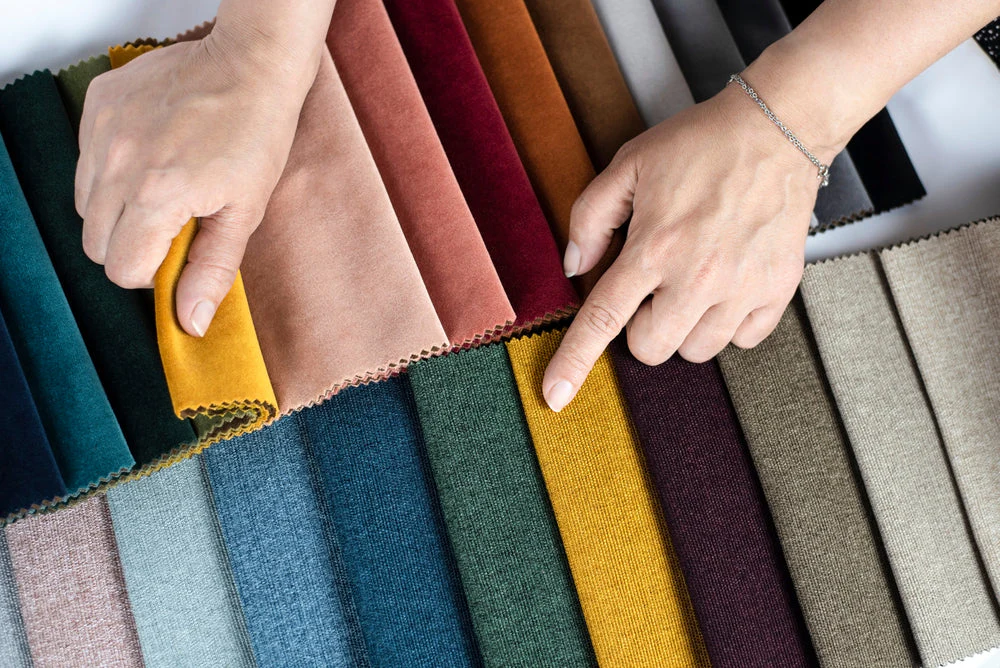
Choosing fabrics for a commercial space is all about understanding what the furniture will endure each day. You’re not picking materials based on swatches or catalog images. You’re choosing what people will sit on, lean against, slide across, and notice every time they walk into the room. The wrong fabric shows its age fast. The right one supports the space and looks good day after day after day.
Use is Everything
Every space has its own rhythm. A lobby brings slow, steady movement. A café brings quick turnover with spills and constant cleanup. A conference room brings long meetings where people shift in their seats and drag chairs across the same corners. These patterns shape your decision more than any single color or texture. What kind of use will this fabric see hour after hour?
Use Performance Numbers
You don’t have time to gamble. Commercial fabrics come with test results showing how they withstand abrasion, cleaning, and general wear. Metrics such as double-rub counts and stain-resistant finishes provide a baseline to work from. They help you separate materials designed for real traffic from those that only look durable. These numbers don’t make the choice for you, but they do tell you which fabrics won’t keep up.
Solid or Pattern?
Solids look clean and crisp on day one, but usually expose every mark once the space gets busy. Patterns and textures buy you more longevity because they break up the visual field. But they’re also busy, so caution and a good eye are required. And textures can flatten and look sloppy over time, so durability metrics are key. Your choices should support the room rather than fight with it. How will the fabrics and the space feel after six months of real activity?
Think About Cleaning
Maintenance affects long-term performance as much as traffic does. Some environments need fast wipe-downs. Others rely on scheduled deep cleaning. Healthcare and foodservice settings demand materials that withstand repeated sanitization. Cleaning instructions vary widely across fabric types. You’ll save time and frustration by choosing materials that align with how your team works to keep things clean.
Consider Sustainability Goals Early
More and more companies are evaluating fabrics through the lens of environmental impact. Recycled fibers, third-party certifications, and low-emission finishes support those goals without limiting design options. If sustainability plays a role in your project, it helps to incorporate it into the fabric conversation from the start rather than retrofitting the decision later.
Get Help
Fabric selection can feel overwhelming. You can remove the overwhelm by working with someone who understands the following: how the space functions, the look you’re aiming for, the wear patterns you’re anticipating, and the budget you need to respect. A curated shortlist from a commercial interiors fabric expert is more effective than reviewing catalogs on your own and increases the chances of getting fabrics that will serve you well in terms of both form and function.
Good fabric supports the flow of the space and stays attractive long after the installation is complete.
About the Author