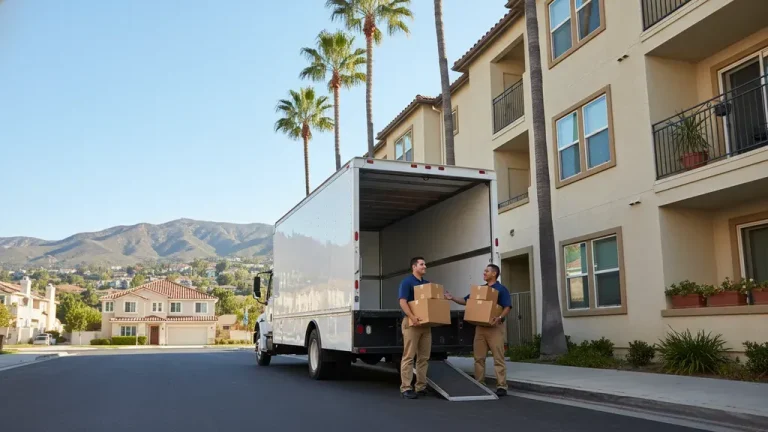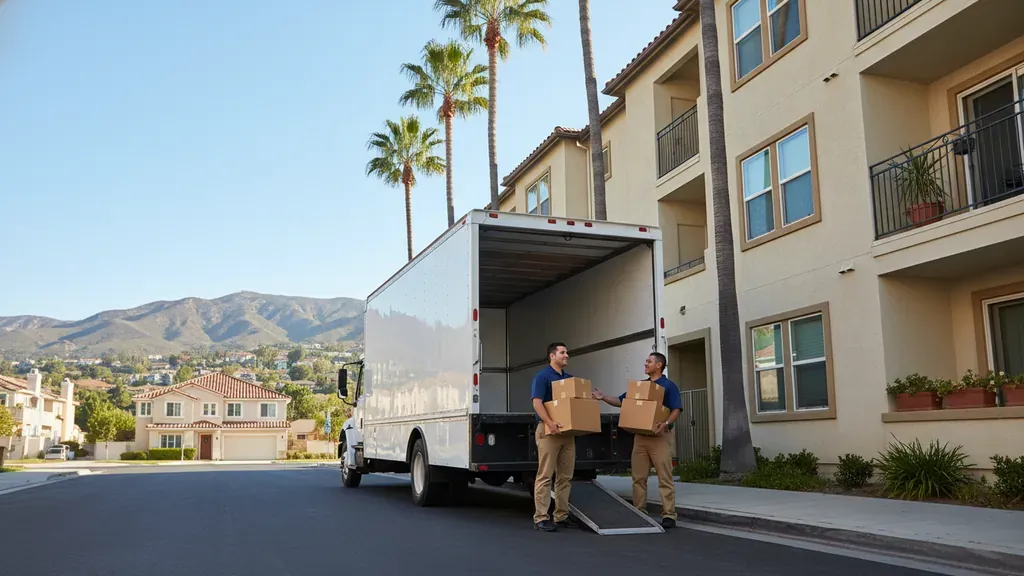
Local moves within California don’t get the same attention as interstate relocations, but they make up the majority of moves California residents actually experience. Whether you’re shifting neighborhoods within Los Angeles, moving from San Francisco to Oakland, or relocating to a different town entirely, the practical considerations matter and the stakes are real. A poorly planned local move can be more stressful than a well-planned cross-country one. This article covers what makes local California moves work well — what to prioritize, what to outsource, and what mistakes to avoid.
Why Local Moves Often Get Underestimated
People underestimate local moves because the distance is short. The actual moving day might be only a few hours of driving. But the work of packing, transporting, and unpacking a household is roughly the same regardless of how far the truck travels. The difference is mainly that local moves can be done DIY more easily, which tempts people into thinking the whole project is simple. The reality is that the labor of moving — disassembling furniture, packing carefully, loading efficiently, navigating stairs and narrow doorways — is the same regardless of destination distance.
Hourly Rates and How They Add Up
Local moving services typically charge hourly rates, which can be deceptive. Two movers at eighty dollars per hour sounds reasonable until a five-hour move actually takes nine hours. The variables that extend timing — narrow staircases, parking access, building elevators that need reservations, packing that wasn’t finished before the crew arrived — are predictable but often unanticipated. Working with a reputable local moving company in California that provides realistic time estimates based on your specific situation gives you better budget control than choosing the lowest hourly rate and hoping for the best.
Packing Strategy for Local Moves
Local moves give you more flexibility than long distance ones. You can do partial moves — taking some items immediately and leaving others for a return trip. This flexibility is valuable but can become a trap. The most successful local moves treat the relocation as a single event rather than a series of small trips. Pack everything completely before moving day, even if you’ll be returning for a follow-up. Partial moves often turn into months-long projects that never quite finish.
Building Access Considerations
Many California buildings have access restrictions that affect moving. Older buildings in San Francisco often have narrow staircases that limit furniture sizes. Modern condos require service elevator reservations and freight access protocols. Apartment buildings in any city may have specific move-in and move-out time windows. These restrictions sound minor but can completely disrupt a moving day if not anticipated. Check with both building managers — origin and destination — before moving day, not on moving day.
Coordinating Utilities and Services
Local moves don’t change service providers in the same way that interstate moves do, but utility transfers still require attention. Schedule disconnection at the old address for the day after your move, not the day of, to avoid losing power mid-load. Schedule connection at the new address for the day before move-in, to ensure everything works when you arrive. Internet service deserves special attention — installation appointments are often scheduled weeks in advance and missing a window can mean weeks without service in your new home.
What to Tackle Yourself, What to Outsource
DIY versus professional is not all-or-nothing for local moves. Many California residents handle their own packing but hire movers for the actual transportation. Others reverse this — packing services with self-hauled trucks. The cleanest separations are based on what you genuinely have time and energy for. Working full time during the week makes DIY weekend moves harder than they look. Families with young children almost always benefit from full-service options. Singles with flexible schedules often manage DIY well.
The Hidden Cost of DIY Moves
DIY local moves seem cheaper but often cost more than expected when honestly accounted. Truck rental, fuel, equipment rental, friend bribes in the form of pizza and beer, time off work, possible injury, possible damage to property during moves — all of these add up. The honest comparison between professional and DIY local moves often shows much less savings than the upfront prices suggest. Especially for households with significant furniture or for people in physically demanding jobs where injury would be costly, professional services often pay for themselves.
About the Author